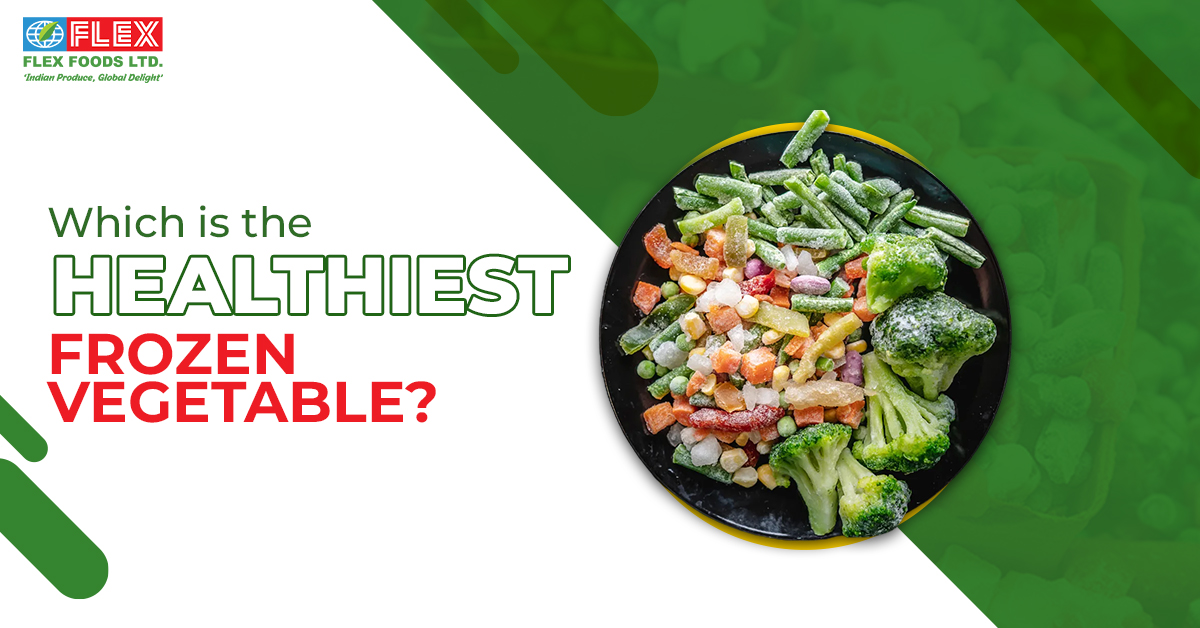
In the modern world, where convenience often takes precedence, frozen vegetables have become a staple in many households. This comprehensive guide aims to explore the attributes that define the healthiest frozen vegetable without singling out a specific variety.
Frozen vegetables are becoming a staple in many homes because they offer convenience without compromising on nutrition. They stay fresh for months, cook quickly and fit easily into busy routines. Many people still wonder, are frozen vegetables healthy, and the answer is yes — as long as you choose the right ones and cook them the right way. Frozen vegetables are picked at their peak and frozen soon after harvest, helping them retain natural vitamins, colour and taste.
This guide explains what counts as the healthiest frozen vegetables, how to choose the best products, and why they deserve a place in your daily meals.
Why Choose Frozen Vegetables?
Frozen vegetables are perfect when fresh options are limited or expensive. They reduce food waste because they stay usable for much longer. You don’t need to wash, peel or chop them — which simplifies mealtime prep.
Another advantage is consistency. Whether you want peas in summer or spinach in winter, frozen vegetables offer reliable taste and quality all year round.
Frozen vegetables also support balanced diets. They work well in curries, stir-fries, soups, salads and baked dishes. Because they cook quickly, you can prepare a nutritious meal even on days when you are short on time.
Learn more about: Global Frozen Vegetable Markets
How to Define “Healthiest” When It Comes to Frozen Veggies?
The “healthiest” frozen vegetables are those that remain closest to their natural state. That means:
- No added salt
- No added sugar
- No sauces, butter or seasoning
- Minimal processing
- Natural colour and texture
Vegetables that fall into this category offer strong nutritional value and fit into everyday meals without adding unnecessary calories. The key is to choose products that list only one ingredient — the vegetable itself.
People sometimes ask, does freeze drying food remove nutrients, and the principle is similar to freezing: nutrient loss is minimal when vegetables are frozen quickly after harvest. In fact, freezing often preserves vitamins better than vegetables stored fresh for several days.
Top Frozen Vegetables Worth Adding to Your Plate
Frozen Spinach — Benefits, Nutrient Highlights, and How to Use
Frozen spinach is rich in iron, vitamin A and vitamin K. It blends smoothly into soups, dals, curries and pasta sauces. Because it cooks quickly, it is perfect for weekday meals. Its soft texture makes it easy to incorporate even for picky eaters. Spinach also adds colour and density to smoothies.
Frozen Broccoli — Benefits, Nutrient Highlights, and How to Use
Broccoli is one of the healthiest vegetables available, and the frozen version maintains much of its vitamin C, fibre and plant protein. Frozen florets steam beautifully in a few minutes. Add them to stir-fries, ramen bowls, pasta dishes or roasted veg platters. It remains firm if cooked briefly, giving meals texture and nutrition.
Frozen Green Peas — Benefits, Nutrient Highlights, and How to Use
Green peas are naturally sweet and high in fibre, protein and B vitamins. They add bulk to meals while boosting nutrition. Frozen peas work well in pulao, poha, pasta, soups and snacks. Because they hold shape after cooking, they also make great additions to salads.
Frozen Corn & Carrots — Benefits, Nutrient Highlights, and How to Use
Frozen corn and carrots are versatile and colourful. Corn brings natural sweetness and energy, while carrots provide vitamin A and antioxidants. Together, they create flavourful bases for fried rice, stews, cutlets, curries or warm salads. These vegetables cook evenly and stay mild and pleasant in taste.
Frozen Herbs — A Quick Boost for Flavour
Some brands also offer frozen herbs. Even something as simple as parsleycan lift the flavour of soups, roasted vegetables, pasta, and salads. Frozen herbs eliminate the need to buy large fresh bunches you may not finish in time.
Recommended Read : Steps Involved in Producing Export-Grade Freeze-Dried Herbs
How to Choose the Best Frozen Vegetable Products?
Check Labels & Ingredients — Minimal and Clean
The first step is reading the label. The ingredients list should include only the vegetable. Avoid packs with added seasoning, salt, sugar or preservatives. Clean labels ensure better nutrition and make the vegetables suitable for all diets.
Packaging & Storage Tips — Look for Sealed, Frost-Free Options
Good packaging protects quality. Avoid bags with ice crystals or large clumps because these indicate temperature fluctuations. Choose tightly sealed pouches that feel firm and not soggy. At home, store them in the coldest part of the freezer to maintain freshness.
Certified and Traceable Sourcing — Trustworthy Brands Matter
Reliable brands maintain strict hygiene standards, clear sourcing practices and transparent processing methods. Certificationsprovide assurance that the vegetables were handled safely. Traceability also helps consumers make informed choices.
Cooking & Preparation Tips to Preserve Nutrients
To maximise nutrients:
- Steam instead of boiling.
- Avoid overcooking.
- Add frozen vegetables directly to hot dishes.
- Use short cooking times for better texture.
- Stir-fry or microwave for minimal nutrient loss.
Frozen Vegetable Buying Guide
Your personal frozen vegetable buying guide 2025 should focus on choosing clean-label products, checking packaging quality and opting for brands with strong sourcing practices. As more people understand nutrition better, knowing how to choose frozen vegetables becomes even more important. Consumers now value transparency, freshness and traceable supply chains, and frozen vegetables make meeting these expectations much easier.
Myths vs Facts About Frozen Vegetables
Myth: Frozen vegetables are less nutritious.
Fact: Frozen vegetables often contain the same — or more — nutrients than vegetables that sit in the fridge for days.
Myth: Frozen means preservatives.
Fact: Freezing alone preserves food. Most frozen veggies have zero additives.
Myth: Frozen vegetables taste bland.
Fact: When cooked correctly, they offer natural flavour and colour comparable to fresh vegetables.
Myth: Frozen vegetables are only for emergencies.
Fact: They are excellent for regular meals and help cut prep time without sacrificing nutrition.
Also Read : Cold Chain vs Ambient Shipping
Why Flex Foods’ Frozen Vegetables Are a Smart Choice?
Flex Foods is known for quality, consistency and advanced processing technology. Their vegetables are frozen at peak freshness, which helps preserve robust flavour, colour and nutrition. The brand follows strict hygiene and sourcing standards, ensuring every pack is safe and reliable.
Flex Foods Limited offers a wide range of vegetables — spinach, peas, broccoli, corn and more — suitable for homes, restaurants and large-scale food service operations. Their products stay fresh for longer, making them ideal for bulk use and regular cooking. The brand also focuses on sustainable practices, ensuring that every step of the process supports food safety and long-term quality.
Frozen vegetables deserve a place in every modern kitchen. They are nutritious, affordable and incredibly convenient. With clean labels, consistent quality and long shelf life, they simplify healthy eating without compromising taste. Whether you're preparing a quick weekday meal or stocking up for the month, choosing the healthiest frozen vegetables ensures you get balance, flavour and reliability in every bite.
The Culinary Versatility
When considering the healthiest frozen veggie, it's essential to think about how versatile it is in various culinary applications. A versatile vegetable can be incorporated into a wide range of dishes, providing diverse culinary experiences. Here are some factors to ponder:
- Flavor Profile
The healthiest frozen vegetable should have a balanced and appealing flavor profile. It should complement various seasonings, herbs, and spices to enhance the overall taste of dishes. - Complementarity
Consider how well the vegetable pairs with other ingredients. A versatile choice can seamlessly blend with proteins, grains, and other vegetables in a harmonious culinary ensemble.
The Role of Dietary Diversity
A balanced approach involves incorporating a variety of frozen vegetables into your diet. Here's why:
- Micronutrient Complementarity
Different vegetables contain different nutrients. By diversifying your frozen fruits and vegetables intake, you ensure that you receive a broad array of vitamins and minerals, covering potential nutritional gaps. - Phytonutrient Synergy
Phytonutrients often work in synergy with one another. Consuming a diverse range of vegetables allows you to harness the combined health benefits of these compounds. - Flavor Variety
Variety in your vegetable choices also brings diversity in flavors and textures to your meals, making your diet more interesting and enjoyable.
Special Considerations
When determining the healthiest frozen vegetable, it's vital to consider individual dietary requirements and preferences:
- Health Goals
Your health goals may influence your choice of frozen vegetables. For instance, if you're looking to manage weight, you might opt for lower-calorie options, such as spinach or broccoli.
Sustainability
Sustainable practices are crucial for ensuring a healthier planet. Some considerations include:
- Seasonality
Select frozen vegetables that align with the seasons when they are naturally abundant. This choice promotes sustainability by reducing the energy required for refrigeration and transportation. - Packaging Opt
for frozen vegetables with eco-friendly packaging. Some brands offer recyclable or reusable packaging options, contributing to reduced waste. - Sourcing Research
the source of your frozen vegetables. Supporting local or sustainable farming practices can have a positive environmental impact.
The quest for the healthiest frozen vegetables is a multifaceted journey. It involves considering nutrient content, culinary versatility, dietary diversity, special dietary requirements, and environmental sustainability. While no single vegetable reigns as the unequivocal champion, a well- balanced approach that incorporates a variety of frozen vegetables into your diet ensures a comprehensive intake of essential nutrients and a flavorful culinary experience. In the end, the healthiest frozen vegetables are the one that harmonizes with your health goals, satisfies your taste buds, and supports a sustainable future for both you and the planet.
Bring home premium frozen green peas, frozen carrots, and freeze dried sweet corn with Flex Foods
Frequently Asked Questions
Q:1. Do frozen vegetables lose their flavour after long storage?
Frozen vegetables usually keep their flavour well because they are frozen at peak freshness. Over time, slight changes may occur if the packaging is damaged or exposed to fluctuating temperatures. When stored properly in sealed, frost-free packs, they taste close to fresh even after several months.
Q:2. Can frozen vegetables replace fresh vegetables in daily cooking?
Yes. Frozen vegetables can easily replace fresh ones in most recipes, especially stir-fries, soups, stews and curries. They save prep time and maintain strong nutritional value. While some dishes may still benefit from fresh produce, frozen vegetables offer consistent quality and year-round availability.
Q:3. Are frozen vegetables safe for young children and seniors?
Frozen vegetables are generally safe and nutritious for all age groups. They are soft, easy to chew and can be cooked quickly to the desired texture. Because they contain no preservatives and retain essential vitamins, they work well for family meals, including for children and older adults.
Q:4. How long can I keep an opened pack of frozen vegetables?
An opened pack should ideally be used within a week if kept sealed in an airtight container. This prevents ice crystals and keeps texture intact. Always return the pack to the freezer immediately after use and avoid repeated thawing to maintain quality and hygiene.
Q:5. Do different vegetables freeze and cook differently?
Yes. Vegetables with higher water content, like zucchini, soften more after freezing, while firmer vegetables like peas, broccoli and carrots hold their shape better. Cooking times vary too — peas cook in minutes, while larger vegetables may require a bit more heat for perfect texture.