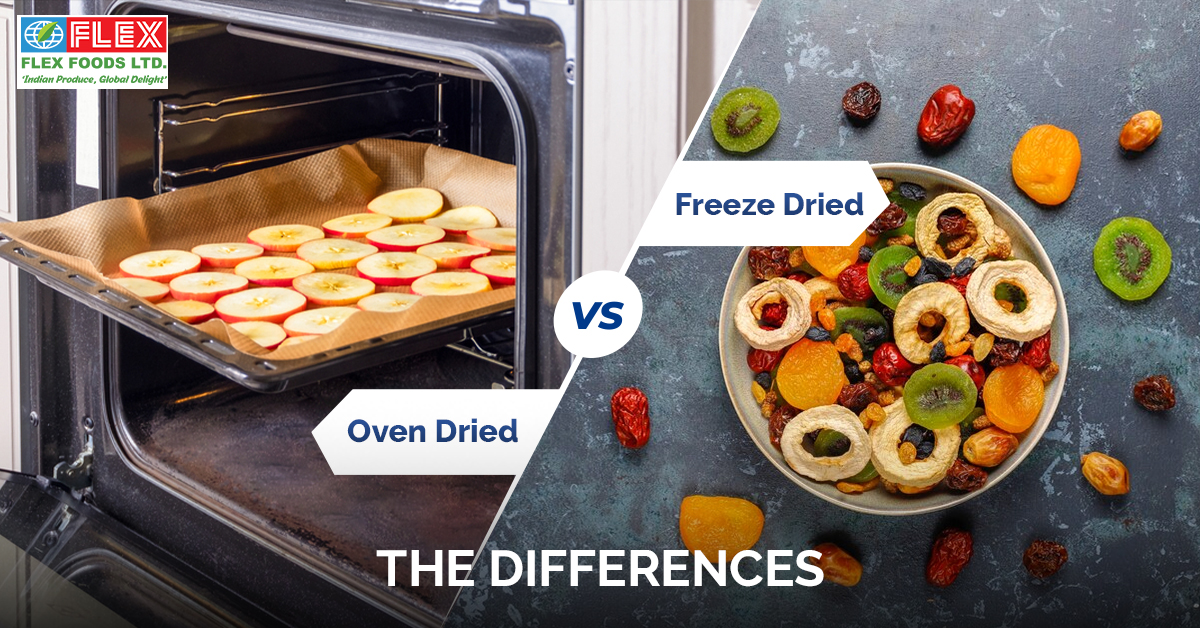
When discussing dried foods, the words "freeze-dried" and "oven-dried" are often thought to mean the same thing. The final output of freeze-drying and dehydrating food is fairly similar (e.g., dried food that can be stored for a long time), yet the two processes are extremely distinct and produce very different outcomes.
The phrase "dried food" encompasses a wide variety of foods that have had their water content decreased, whether by more traditional means like air or sun drying or by more contemporary means like dehydrators, freezers, or vacuums.
Let’s explore the key differences between oven-dried and freeze-dried food in India.
The Growing Trend of Preserving Foods Naturally
People everywhere are rediscovering ancient food preservation methods. Modern life moves fast, yet we crave connection to traditional ways of storing food without chemicals or artificial additives. Natural preservation techniques let us enjoy seasonal produce year round while reducing waste.
This movement isn't just nostalgia. It's practical too. Rising food costs and supply chain uncertainties have people looking for self sufficiency. Home preservation means controlling what goes into your food. No mysterious ingredients or long chemical names. Just pure food, naturally preserved, ready whenever you need it.
What Is Oven Drying?
Oven drying is one of the oldest, simplest preservation methods. You place sliced fruits, vegetables, or herbs on trays and apply low heat for several hours. The warmth evaporates moisture slowly, concentrating flavors and preventing spoilage.
Your regular kitchen oven can do this job. Set it between 140°F and 200°F, leave the door slightly open for air circulation, and wait. The process takes anywhere from 4 to 12 hours depending on what you're drying. Apples, tomatoes, and herbs work particularly well with this method.
Pros and Cons of Oven Drying
Pros: Oven drying requires no special equipment beyond what most kitchens already have. It's extremely affordable and accessible to beginners. You can dry small batches whenever you have excess produce. The method works reliably for many foods, creating tasty snacks and cooking ingredients. Energy costs are reasonable since you're using existing appliances.
Cons: The process takes considerable time and attention. You must monitor temperature carefully to avoid burning. Oven drying removes only about 80 to 90% of moisture, which limits shelf life compared to other methods. Nutrient loss occurs due to extended heat exposure. The results can be inconsistent, with some pieces overdrying while others remain too moist.
What Is Freeze Drying?
Freeze drying uses an entirely different approach. Food gets frozen solid first, then placed in a vacuum chamber. The pressure drops dramatically, causing ice crystals to turn directly into vapor without becoming liquid. This process is called sublimation.
The method preserves food structure at the cellular level. Because it happens at very low temperatures, heat sensitive nutrients and flavors stay intact. Commercial operations use sophisticated freeze drying equipment, though home units are now available. The technology sounds complex, but the results speak for themselves.
Pros and Cons of Freeze Drying
Pros: Freeze drying preserves up to 97% of original nutrients, making it the superior choice for nutrition. Foods retain their original shape, color, and flavor remarkably well. Shelf life extends to 25 years or more when properly stored. Rehydrated foods taste nearly identical to fresh. The lightweight nature makes freeze dried products perfect for camping, emergency supplies, and convenient meals.
Cons: Equipment costs run high, often thousands of dollars for home units. The process takes 20 to 40 hours per batch, requiring significant time investment. Energy consumption is substantial due to freezing and vacuum operations. Commercial freeze dried products cost more than oven dried alternatives. The technology requires more knowledge and maintenance than simple oven drying.
| Feature | Oven Dried | Freeze Dried |
|---|---|---|
| Method | Heat based | Cold vacuum sublimation |
| Texture | Chewy/crispy | Light, crunchy |
| Nutrients | Moderate loss | Best preservation |
| Shelf Life | Weeks to months | Years |
| Cost | Low | High |
Which Method Is Better for You?
Your ideal method depends on your specific situation. Consider your budget first. If you're just starting with food preservation or want to process small amounts occasionally, oven drying makes perfect sense. It's forgiving and requires no special purchases.
Choose freeze drying if nutrition and long term storage matter most. Preppers building emergency supplies benefit enormously from freeze dried foods. Backpackers and campers appreciate the lightweight, nutritious meals. Families wanting the closest thing to fresh produce year round should consider freeze dried options too.
Think about your time availability. Oven drying needs active monitoring for several hours. Freeze drying takes longer overall but requires less hands on attention. Some people combine both methods, using each where it performs best.
Expert Tips to Choose the Right Drying Method
Start by assessing what you want to preserve. Herbs and tomatoes excel with oven drying. Berries, complete meals, and delicate vegetables do better freeze dried. Match the method to the ingredient for best results.
Consider your end use carefully. Cooking ingredients for soups and stews? Oven dried works beautifully and costs less. Want snacks that taste fresh or ingredients for smoothies? Freeze dried is worth the premium. Think about rehydration needs too.
Evaluate your storage capacity and goals. Short to medium term storage? Oven dried foods in mason jars work fine. Building a 10 year emergency supply? Invest in freeze dried products or equipment. Your timeline matters significantly.
Budget plays a crucial role. Start small with oven drying to learn the basics. As you gain experience and understand your needs, you might invest in a freeze dryer or purchase commercial freeze dried products. Companies like Flex Foods offer professionally processed options that eliminate equipment costs while delivering quality results.
Test both methods if possible. Dry some apple slices in your oven, then compare them to freeze dried apples. The difference in taste, texture, and rehydration will immediately clarify which method suits your preferences. Personal experience beats any article's advice.
What is the key difference between these two processes?
One way to dehydrate food is by exposing it to the sun on days with low humidity and high temperatures. Another method is to use an electrical device with trays that have a fan on one side or the other, which forces air upwards or downwards, depending on the situation. The operator may adjust the air temperature in a dehydrator by turning a dial; the temperature varies from 95 to 165 degrees Fahrenheit, depending on the food category. A combination of heat and wind is required to dehydrate food.
The optimal drying time for food is until 95% or more of the moisture has been removed; nevertheless, it is possible to dry food to a greater moisture content (lower percentage of moisture removed), but the shelf life will be much shorter. Ancient civilizations throughout the world used sun drying as a method of food preservation.
Food Dehydration
While dehydration has been around for a long time, freeze-drying is a more recent invention that came into use in 1906. However, it wasn't until the United States and Europe needed a way to distribute shelf-stable blood serum—which had previously required refrigeration—during World War II that freeze drying took off. The typical home just does not have the space or budget for the specialist equipment needed to do freeze drying, which is a far more involved operation.
The process of freezing food such as freeze-dried mushroom involves exposing it to very low temperatures, often -40F or below. A vacuum is created around the meal once it is frozen, and then the temperature is gradually increased. Sublimation is the process by which frozen liquids are transformed into vapor without first going through a liquid phase, and the heat energy is what causes the water to sublime. Commercial kitchens, not residential kitchens, usually use freeze-drying since it's a more involved procedure than dehydrating.
Also Read : dried parsley
Texture - What a fluffy thing!
The moment you put freeze-dried or oven-dried food in your mouth, you won't be able to tell them apart. The difference in texture is entirely to blame for this!
A lot of dried foods, such as fruits and fruit leather, retain some of their pliability, but overall, the finished result is still rather tough. When dropped on a counter, oven-dried veggies like carrots create a loud plink! sound.
Squeezing freeze-dried food between your fingers gives it a crumbly sensation and reveals its porous, airy nature. Products that have been freeze-dried also have a lower weight but a larger volume. Some individuals have reported experiencing burns on their lips after consuming an excessive amount of non-rehydrated freeze-dried fruits. Frozen goods have a satisfying crunch, in contrast to the clunk! of oven-dried goods.
So, Aren't They Both Beneficial to My Health?
There is no loss of nutritional value when foods are oven-dried or freeze-dried. The longer the shelf life of freeze-dried goods, the more moisture they remove compared to oven-dried ones. Both dried foods may be preserved for more than a year with the right oxygen absorbers and high-barrier bags.
Because it is more porous, freeze-dried food rehydrates marginally better and somewhat quicker than oven-dried food.
The final decision between the two approaches—which both produce products with a long shelf life—usually comes down to factors like personal taste, budget, and intended use. Also, there are other preservation methods like Indiviudal Quick Freezing which helps you to enjoy fruits like IQF mango all around the year. If you are looking to buy top-quality freeze-dried products, contact Flex Foods.
Frequently Asked Questions
Q1. Is freeze drying better than oven drying?
It depends on your priorities. Freeze drying preserves nutrients, flavor, and texture better with longer shelf life. However, oven drying costs less and requires no special equipment. For everyday use and budget consciousness, oven drying works fine. For premium quality and long term storage, freeze drying wins.
Q2. Does freeze drying preserve more nutrients?
Yes, significantly. Freeze drying retains 95 to 97% of nutrients because it uses cold temperatures instead of heat. Oven drying loses 40 to 60% of heat sensitive vitamins like C and B complex. The low temperature sublimation process in freeze drying protects delicate compounds that heat destroys.
Q3. Can you freeze dry at home?
Yes, but it requires expensive equipment. The machines are large, noisy, and use considerable electricity. Each batch takes 20 to 40 hours. Most people buy commercially freeze dried products instead, which offers convenience without the equipment investment and learning curve.
Q4. Is oven drying cheaper than freeze drying?
Absolutely. Oven drying uses your existing kitchen oven with minimal electricity costs. No equipment purchase needed. Commercial freeze dried products also cost more than oven dried alternatives. For budget conscious preservation, oven drying is the clear winner.
Q4. Which method is more eco-friendly?
Oven drying is generally more eco-friendly for home use. It requires less total energy and no specialized manufacturing of equipment. Freeze drying consumes significant electricity for freezing and vacuum operations over 24 plus hours. However, freeze dried food's longer shelf life reduces waste. Both methods beat industrial food production's carbon footprint overall.