Restaurant menus change dramatically with the seasons, not by choice but by necessity. When fresh tomatoes disappear from markets during winter months, your signature dishes either vanish from the menu or suffer from inferior imported produce. Food manufacturers face even greater challenges, struggling to maintain consistent product quality when key ingredients become unavailable for months at a time. This seasonal dependence creates unpredictable costs, forces menu modifications, and frustrates customers who crave their favorite dishes year-round.
The economic impact of seasonal produce extends far beyond simple inconvenience. Prices skyrocket when vegetables move out of season, demolishing your carefully planned food cost percentages. You're forced to choose between maintaining quality at unsustainable costs or compromising standards with subpar alternatives. Institutional kitchens serving hospitals, schools, and corporate cafeterias face particularly acute pressure since they cannot simply remove items from menus when seasonal availability shifts. The traditional farm-to-table model, while admirable in many ways, creates genuine business challenges when seasons change and local farms stop producing the ingredients your operations depend upon.
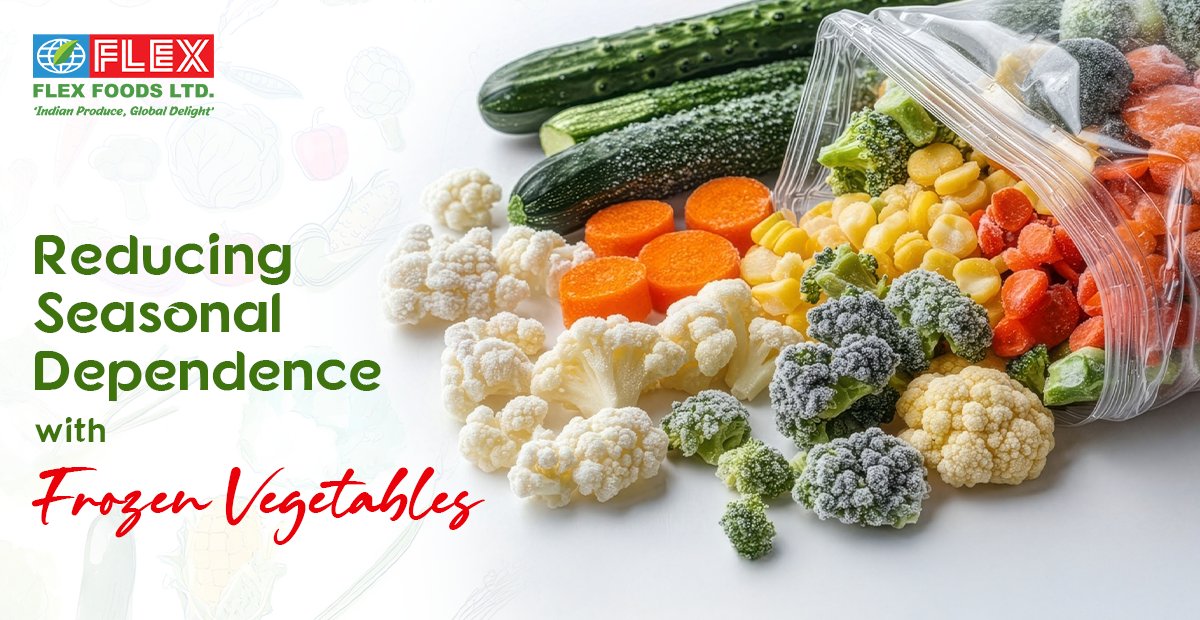
Frozen vegetables offer a revolutionary solution that breaks free from seasonal constraints entirely. Modern freezing technology preserves vegetables at peak ripeness, locking in nutrition, flavor, and texture regardless of what's currently growing in fields. This preservation method transforms seasonal crops into year-round ingredients, giving you consistent availability, predictable costs, and reliable quality twelve months annually. Understanding how frozen vegetables eliminate seasonal dependence empowers food businesses to operate more efficiently while actually improving nutritional value and reducing waste simultaneously.
Learn more about the are frozen vegetables healthy
Understanding Modern Freezing Technology
Freezing technology has evolved dramatically from the ice crystal-damaged vegetables your grandmother might remember. Today's quick-freezing methods preserve vegetables within hours of harvest, capturing them at absolute peak freshness and nutritional content. The speed of modern freezing processes prevents large ice crystal formation that ruptures cell walls and creates mushy textures. Instead, vegetables emerge from thawing with texture, color, and nutritional profiles remarkably similar to their fresh counterparts.
IQF frozen vegetables represent the pinnacle of freezing technology for commercial food operations. Individual Quick Freezing processes each piece separately rather than freezing vegetables into solid blocks. This technology means peas, corn kernels, diced peppers, or chopped spinach remain free-flowing and separate even in frozen state. You can pour exactly the quantity you need without thawing entire packages, dramatically reducing waste while improving portion control and operational efficiency throughout your kitchen.
Breaking Free from Harvest Calendar Constraints
Seasonal availability once dictated menu planning absolutely, forcing chefs to work within nature's timeline. Spring brought asparagus and peas, summer delivered tomatoes and peppers, fall produced squash and root vegetables. Winter left slim pickings unless you could afford expensive imported produce shipped thousands of miles. This seasonal rhythm created charm in farm-focused restaurants but caused headaches for operations requiring menu consistency and cost predictability.
Frozen vegetables eliminate these calendar constraints completely and permanently. Your favorite bell peppers become available in January just as easily as July. Spinach, green beans, cauliflower, and dozens of other vegetables sit ready in your freezer regardless of what's currently growing locally. This availability transforms menu planning from seasonal puzzle into year-round consistency. Customers can enjoy their favorite dishes whenever they visit rather than only during specific harvest windows.
The availability of frozen vegetables in India has transformed food service across the subcontinent particularly dramatically. Regional vegetables that previously disappeared for months now remain available continuously. Restaurants maintain signature dishes year-round, manufacturers produce consistent products, and institutional kitchens plan menus without seasonal gaps. This transformation has elevated quality expectations while actually reducing costs compared to importing fresh produce from distant regions during off-seasons.
Cost predictability represents another massive advantage over seasonal fresh produce. Fresh vegetable prices fluctuate wildly based on weather, harvest yields, and seasonal demand patterns. Budget planning becomes guesswork when your key ingredients might double in price next month. Frozen vegetables maintain relatively stable pricing year-round since processors buy at peak season when prices hit their lowest points. This stability transforms food cost management from reactive scrambling into proactive planning.
Nutritional Advantages of Frozen Vegetables
Fresh doesn't always mean more nutritious, despite common assumptions to the contrary. Vegetables begin losing nutrients the moment they're harvested as cellular respiration continues. Fresh produce sitting in distribution centers, trucks, warehouses, and display cases for days or weeks loses significant nutritional value before reaching consumers. Studies consistently show that many frozen vegetables contain higher vitamin and mineral levels than their "fresh" counterparts that traveled for days before purchase.
Freezing locks in nutrition at the peak moment of ripeness and nutrient density. Processors freeze vegetables within hours of harvest, capturing maximum nutritional value. The extremely low temperatures halt the enzymatic processes that degrade vitamins, minerals, and antioxidants. This preservation means frozen spinach in December might actually contain more iron and folate than "fresh" spinach shipped from distant farms during winter months.
Blanching before freezing actually enhances certain nutritional aspects unexpectedly. The brief heat treatment deactivates enzymes that would otherwise cause quality deterioration during frozen storage. This process also makes some nutrients more bioavailable by breaking down cell walls. Lycopene in tomatoes and beta-carotene in carrots become easier for our bodies to absorb after the blanching process that precedes freezing.
Year-round access to diverse vegetables supports better overall nutrition consistently. Rather than eating only seasonally available vegetables, frozen options allow varied diets regardless of season. This diversity ensures broader nutrient intake and prevents the nutritional monotony that can develop when relying exclusively on whatever's currently in season locally. Institutional kitchens particularly benefit since they can maintain nutritionally balanced menus throughout the year without seasonal compromises.
Also read : How to make frozen vegetables taste good
Key Benefits for Different Food Service Operations
Understanding how frozen vegetables specifically benefit various operation types helps you maximize their advantages:
- Restaurant Operations: Maintain consistent menu offerings year-round without seasonal deletions or substitutions that confuse and disappoint regular customers. Reduce prep labor dramatically since frozen vegetables arrive cleaned, trimmed, and cut to specifications. Control portions precisely with free-flowing IQF products that dispense exact quantities needed. Minimize waste since you use only what you need without spoilage from unused fresh produce sitting in coolers.
- Food Manufacturing: Achieve consistent product quality batch after batch regardless of seasonal fresh produce variations. Scale production predictably without worrying whether sufficient quantities of key ingredients will be available. Reduce quality control headaches caused by variable fresh produce that changes characteristics seasonally. Lock in ingredient costs through annual contracts rather than riding volatile spot market prices.
- Institutional Kitchens: Plan menus months in advance with confidence that all ingredients will be available when needed. Meet nutritional requirements consistently without seasonal gaps in vegetable availability. Reduce labor costs in high-volume operations where prep time for fresh vegetables becomes prohibitively expensive. Serve safe food with reduced pathogen risks since blanching kills bacteria that sometimes contaminate fresh produce.
- Catering Operations: Transport ingredients safely without refrigeration concerns that complicate fresh produce logistics. Prep large quantities efficiently days before events without quality degradation. Adjust quantities easily for last-minute guest count changes without wasting expensive fresh vegetables. Create consistent presentations since frozen vegetables maintain uniform size and color batch after batch.
- Cloud Kitchens: Maximize limited prep space since frozen vegetables require minimal processing before cooking. Stock diverse menu items in compact freezer space rather than bulky fresh produce coolers. Reduce spoilage losses that destroy margins in high-turnover delivery operations. Maintain quality during delivery since properly cooked frozen vegetables hold better than overcooked fresh alternatives.
- Food Trucks: Operate efficiently within severe space constraints using compact frozen storage instead of large fresh vegetable inventory. Reduce daily procurement trips since frozen stock lasts weeks rather than days. Minimize waste in unpredictable sales environments where fresh inventory spoils before selling. Deliver consistent quality despite the cooking challenges inherent in mobile food service environments.
Operational Efficiency and Cost Management
Labor costs drop significantly when you switch from fresh to frozen vegetables. Cleaning, peeling, trimming, and cutting fresh produce consumes enormous amounts of prep time. Frozen vegetables arrive ready to cook, eliminating these labor-intensive steps entirely. A prep cook spending three hours daily processing fresh vegetables could redirect that time to higher-value tasks or you could reduce staffing needs altogether.
Waste reduction transforms bottom-line performance in most food operations dramatically. Fresh vegetables spoil quickly, forcing you to discard wilted greens, moldy peppers, or slimy beans regularly. These losses directly erode profitability since you paid for vegetables that generated zero revenue. Frozen vegetables last months in proper storage, and you use only exact quantities needed, virtually eliminating spoilage waste.
Storage efficiency improves when you transition to frozen vegetables. Freezers hold significantly more usable product per cubic foot than refrigerated produce storage. Dense frozen packages stack efficiently while fresh vegetables require careful arrangement to prevent bruising and crushing. This space efficiency matters enormously in commercial kitchens where every square foot carries significant real estate value.
Inventory management simplifies with longer shelf lives and consistent availability. You can stock up during promotional pricing without spoilage concerns that limit fresh produce purchasing. Reduced delivery frequency cuts receiving labor and allows you to negotiate better terms with fewer, larger orders. Simplified inventory tracking reduces administrative burden since frozen products don't require constant rotation like perishable fresh items.
Read more : Freeze-Dried vs. Dehydrated Vegetables
Complementary Frozen Products Expand Possibilities
Freeze dried herbs complement frozen vegetables perfectly in modern kitchens. While vegetables freeze beautifully, delicate herbs often lose their character through traditional freezing. Freeze-drying removes moisture while preserving volatile aromatic compounds that define herb flavors. These preserved herbs rehydrate instantly when added to dishes, delivering fresh herb flavor year-round without the waste of fresh herb bunches that wilt before you use them completely.
Frozen fruit extends the seasonal independence concept beyond vegetables. Berries, mango, pineapple, and other freeze dried fruits preserve beautifully through freezing, becoming available for desserts, smoothies, and garnishes regardless of season. This availability allows signature dishes and beverage programs to maintain consistency while controlling costs that would otherwise fluctuate wildly with fresh fruit seasonality.
Prepared frozen vegetable blends offer additional convenience for high-volume operations. Stir-fry mixes, soup vegetables, and fajita blends arrive pre-cut and combined, ready for immediate cooking. These blends reduce prep time even further while ensuring consistent ratios in finished dishes. Quality remains high since processors select and combine vegetables specifically for intended applications.
Frozen processed vegetables like riced cauliflower or spiralized zucchini tap into current food trends efficiently. These labor-intensive preparations would be prohibitively expensive to produce from fresh vegetables daily. Frozen versions deliver trendy menu items cost-effectively while maintaining quality. As consumer preferences evolve, frozen options allow you to test new concepts without major investment in specialized equipment or trained staff.
Conclusion
Seasonal dependence no longer needs to constrain your food operation's consistency, profitability, or quality. Frozen vegetables liberate you from harvest calendars, allowing year-round menu stability and predictable costs. The technology preserving vegetables today maintains nutrition, flavor, and texture remarkably well while delivering massive operational efficiencies. From reduced labor and waste to consistent quality and availability, frozen vegetables solve problems that fresh produce inherently creates.
Smart food operators recognize frozen vegetables as strategic advantages rather than inferior compromises. They understand that "fresh" vegetables shipped thousands of miles and stored for weeks often deliver less nutrition and quality than locally frozen alternatives processed at peak ripeness. By embracing modern freezing technology thoughtfully, you can reduce costs, improve consistency, minimize waste, and actually enhance the nutritional value you deliver to customers. The seasonal calendar no longer dictates your menu—you do, empowered by preservation technology that makes every season available every day of the year.
FAQs
Do frozen vegetables contain preservatives or additives?
No, most frozen vegetables contain no preservatives whatsoever. The freezing process itself acts as the preservation method, making chemical preservatives unnecessary. Quality frozen vegetables typically list only the vegetable itself on the ingredient label, with perhaps salt added to certain varieties like lima beans or peas for flavor enhancement. The extreme cold temperatures prevent bacterial growth and enzymatic activity naturally, eliminating any need for artificial preservatives. Some frozen vegetable products may include sauces, seasonings, or butter in prepared dishes, but plain frozen vegetables remain additive-free and as natural as their fresh counterparts.
Can I refreeze vegetables after they've thawed?
While technically safe if vegetables remain refrigerated during thawing, refreezing significantly degrades quality and isn't recommended. Each freeze-thaw cycle creates larger ice crystals that rupture more cell walls, resulting in increasingly mushy texture when finally cooked. Nutritional value also diminishes with repeated freezing cycles as vitamins leach out during thawing. If you've thawed more frozen vegetables than needed, it's better to cook them immediately and refrigerate the cooked portions for use within 3-4 days. For portion control, choose IQF products that allow you to pour out only the exact amount needed while keeping the remainder frozen solid in the package.
How long can I safely store frozen vegetables in my freezer?
Frozen vegetables maintain peak quality for 8-12 months when stored at constant 0°F (-18°C) or below. Beyond this timeframe, vegetables remain safe to eat indefinitely but may develop freezer burn, off-flavors, or texture degradation that affects eating quality. Commercial freezers with more stable temperatures preserve quality longer than home freezers that experience temperature fluctuations from frequent door opening. Always check packages for manufacturer's "best by" dates which indicate peak quality windows. Vacuum-sealed frozen vegetables typically last longer than those in standard plastic bags since reduced air exposure minimizes freezer burn development. Rotate stock regularly and label packages with purchase dates to ensure you use the oldest products first.
Are organic frozen vegetables available and worth the premium price?
Yes, organic frozen vegetables are widely available from most major frozen food suppliers and distributors. These products meet the same organic certification standards as fresh organic produce, grown without synthetic pesticides, herbicides, or fertilizers. Whether the premium price justifies the cost depends on your operation's values and customer expectations. Organic frozen vegetables offer the same convenience, consistency, and year-round availability as conventional frozen options while appealing to health-conscious customers willing to pay more for organic menu items. The price difference between organic and conventional frozen vegetables typically runs 20-40% higher, though this gap narrows considerably compared to the sometimes 100%+ premium for fresh organic produce during off-seasons.
What's the environmental impact of frozen vegetables compared to fresh?
Frozen vegetables often carry a smaller environmental footprint than off-season fresh produce despite energy required for freezing and frozen storage. Fresh vegetables flown thousands of miles during winter consume enormous fuel and generate significant carbon emissions during transport. Frozen vegetables processed locally during peak season require far less transportation energy since they don't need rapid delivery before spoiling. The reduced food waste with frozen vegetables also contributes positively since decomposing food waste in landfills generates methane, a potent greenhouse gas.